
Reliable storage plays a crucial role in preserving essential tools across extended periods. Each unit supports gear that must endure changing conditions without losing function. Planning ahead helps maintain longevity for items used across varied tasks, and that preparation often includes referencing a trusted website for specifications. These choices shape consistent performance throughout long-term operational schedules.
Reliable Containers Support Lasting Safety
Choosing dependable containers helps secure equipment through demanding environments. Durable walls protect valuable tools during extended stays at work locations. Careful sizing ensures items remain steady, organized, and shielded throughout their use lifecycle.
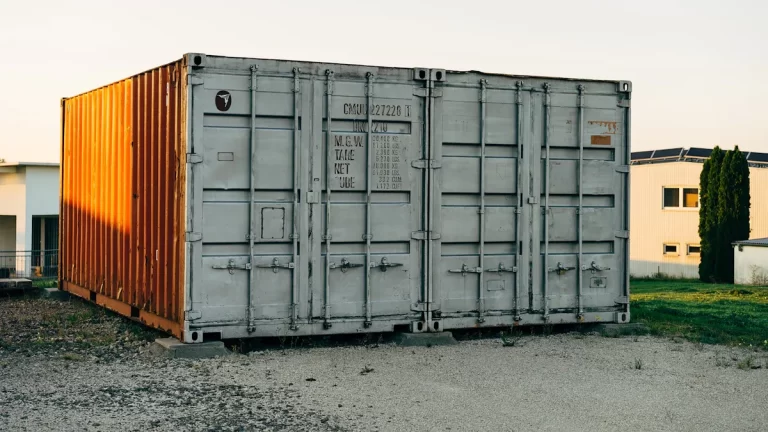
Protective Build Elements Support Stability
Strong materials contribute to lasting durability across diverse conditions. Units built with reinforced layers help prevent strain and reduce environmental impact on stored items. Thoughtful construction features allow operators to manage equipment confidently across prolonged usage cycles.
- Reinforced frames support heavy items
- Secure locks maintain interior stability
- Coated metal panels resist corrosion
- Thick flooring reduces long load pressure
Containers with these qualities support projects requiring dependable storage. Their build quality keeps gear ready for immediate use while reducing risk across longer timelines. This approach benefits operations needing consistency across extended working intervals.
Why do operators prefer enclosed protection for long-term storage needs?
Teams often prioritize enclosed designs because they help regulate exposure that might otherwise damage sensitive gear. Various sectors rely on consistent shielding to maintain functionality after months of inactivity.
Enhanced Layouts Provide Organized Flexibility
Modern container designs offer structured arrangements for different storage demands. The right setup supports ease of access and helps streamline retrieval processes across recurring tasks. Operators gain efficiency through predictable arrangement patterns that reduce searching time and improve workflow continuity.
- Adjustable sections organize grouped components
- Elevated racks preserve delicate gear safely
- Labeled divisions guide quick identification
- Side access points simplify loading routines
These features strengthen operational flow for equipment used across extended projects. They also support decision-making by giving teams structured placement strategies backed by reliable container layouts. Such configurations are often reviewed through an industry website that outlines customized options.
How can storage decisions influence day-to-day equipment readiness?
Readiness often depends on how well items remain preserved during extended downtime. Tools stored under controlled conditions typically perform more consistently during daily operations. A well-planned arrangement helps teams avoid delays caused by cluttered or poorly protected sections. For ongoing tasks, quick access often becomes just as significant as long-term durability.
What factors matter most when choosing containers for demanding tasks?
Individuals usually look for resilience, organization options, and dependable locks that protect gear without complicated maintenance. These traits support a smoother workflow when equipment cycles in and out of use.
Strategic Storage Strengthens Long-Term Operations
Well-selected containers support reliable performance for equipment requiring extended protection. Strong builds and thoughtful layouts help keep items prepared for repeated use, even after time away from active duty. This dependable foundation reinforces smoother operations throughout lengthy projects requiring steady equipment dependability.