
Construction projects often change from week to week. Crews grow, work zones shift, and equipment moves across the site as each phase progresses. Sanitation planning should adapt in the same way rather than remaining fixed from the first day. A practical approach helps maintain a cleaner environment while supporting workers throughout the project.
Supreme Site Services provides portable sanitation solutions for construction sites of different sizes, making it easier to adjust facilities as project demands change.
Start With the Expected Workforce
The number of portable restrooms needed depends largely on how many people will be on site at the same time. A crew of ten workers has very different requirements than a commercial development employing several subcontractors.
Before arranging rentals, consider:
- Average number of workers each day
- Project duration
- Number of work shifts
- Public or visitor access
- Areas where crews spend most of their time
These details help determine both the quantity of units and the servicing schedule.
A Site Plan Should Include Restroom Locations
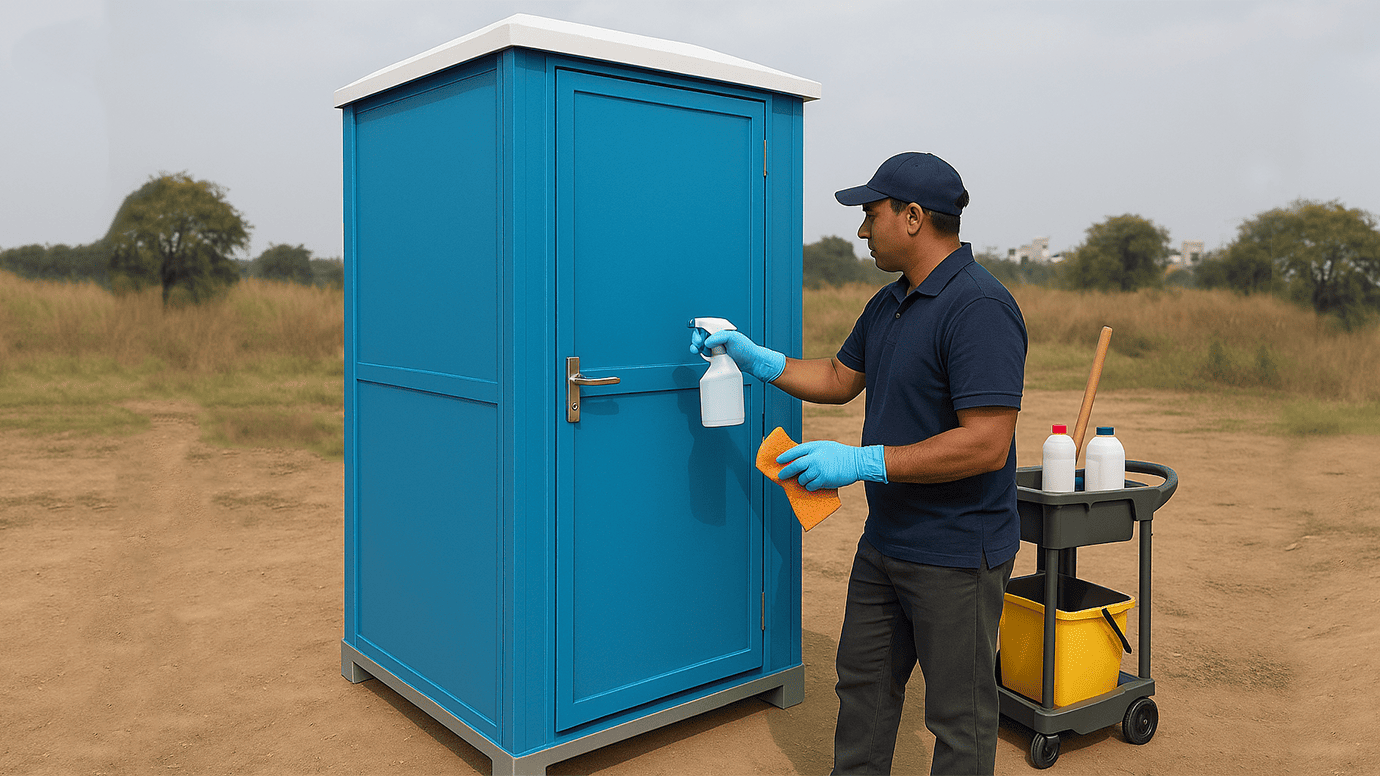
Portable toilets should be part of the initial site layout rather than an afterthought. Placing units in convenient locations encourages regular use while allowing service vehicles to reach them without disrupting construction activities.
Good placement usually means:
- Stable, level ground
- Clear access for cleaning trucks
- Walking distance from active work areas
- Safe separation from heavy machinery
- Locations that remain accessible during changing project phases
As work progresses, relocating units may improve convenience and reduce unnecessary travel across the site.
Adjust Servicing as the Project Changes
Construction sites rarely operate at the same pace from beginning to end. Some stages involve larger crews, while others see fewer workers on site. Maintenance schedules should reflect these changes instead of following a fixed routine.
Higher activity may require:
| Project Condition | Recommended Approach |
| Growing workforce | Increase cleaning frequency |
| Multiple daily shifts | Schedule additional servicing |
| Muddy or wet conditions | Inspect units more often |
| Extended project timelines | Review servicing requirements regularly |
Flexible servicing helps maintain cleaner facilities throughout the project.
Planning for Long-Term Projects
Large commercial developments can continue for several months or even years. During that time, work areas often expand into new sections of the property.
Rather than keeping every restroom in its original location, site managers may relocate units as construction advances. This keeps facilities closer to active work zones while maintaining efficient servicing routes.
Reviewing sanitation needs at regular project milestones helps prevent shortages or unnecessary equipment.
Bringing the Plan Together
Construction schedules are built around coordination. Materials arrive when needed, equipment is positioned for the next stage, and crews move according to the work plan. Portable sanitation works best when managed with the same level of planning.
By combining appropriate equipment, strategic placement, and routine servicing, Supreme Site Services helps construction projects maintain practical sanitation throughout every phase, whether the job lasts a few weeks or continues over a much longer timeline.