
Commercial buildings that sit on or close to contaminated land have specific safety needs. These may run into some environmental problems. This may not seem visible at first. But hazardous vapors coming from volatile organic compounds, or VOCs, can drift through the soil and then slip into the building structure. This then changes indoor air conditions. In the worst cases, this can turn into real health risks.
Picking the right commercial vapor intrusion mitigation system is a huge decision. This keeps the workplace safe. It also ensures the company stays in line with environmental rules and standards. What counts as the “best” solution usually depends on a variety of factors.
Kind and Severity of Contamination
Start by getting a clear picture of what the current condition is. In most cases, environmental evaluations map out what chemicals you are probably dealing with. You will also better understand the approximate concentration and potential routes of the vapors. Experts from a trusted vapor intrusion mitigation system company can select the right approach that actually fits the situation.
Sub-Slab Depressurization: Why It’s the Go-To Option
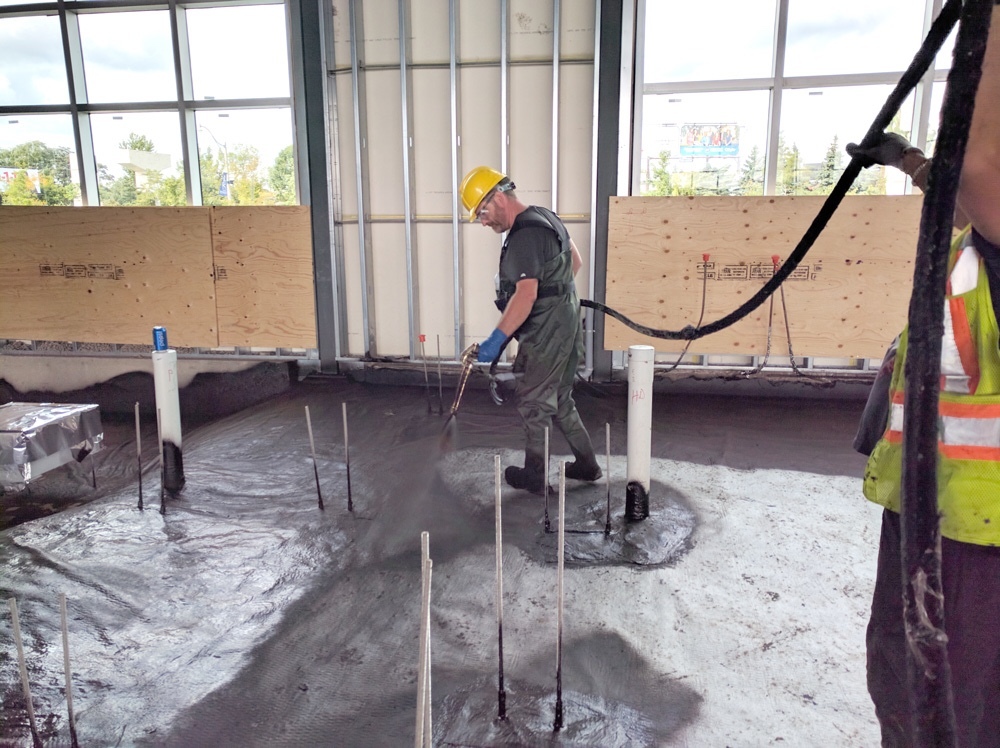
For a lot of commercial properties, sub-slab depressurization is the most trusted choice. The concept is simple, yet it’s effective. The system establishes negative pressure below the foundation so contaminated vapors don’t move up into the occupied areas.
Any collected gases are routed and vented above the roofline. This solution targets the source of the vapor intrusion issue. That’s why it’s highly recommended for buildings where vapor migration is known or suspected.
Vapor Barriers: How it Offers Extra Protection,
This is another popular choice, especially on newer commercial builds. If you install vapor barriers under the foundation, these act like a physical shield. This way, contaminated soil gases don’t freely flow into the building. Pair them with a sub-slab depressurization system, and you get a multi-layer solution. This is recommended for locations with heavier contamination.
Choose a Setup That fits You Best
Every commercial building has its own structural traits, and that can steer how a mitigation strategy will perform. Every small detail matters, so you want to think carefully before picking a solution. Usually, a customized system that’s built by environmental experts will work better than a generic plan. There’s no one-size-fits-all solution.
Work With Qualified Environmental Professionals
Picking the right contractor is as important as selecting the actual mitigation system. Experienced mitigation specialists are familiar with the local rules. They handle site assessments before coming up with a solution. Then, professional installation is done. They also offer regular inspections and monitoring. This way, you can ensure that the mitigation system is working as expected.
Conclusion
The most suitable commercial vapor intrusion mitigation system is the one that syncs with the property’s specific environmental conditions. The building’s requirements should also be considered. If the commercial property owner decides to invest in a professionally designed, and consistently maintained mitigation setup, they can boost indoor air quality. This helps create a safer environment for commercial spaces.