
A consistent and dependable industrial fuel supply forms the foundation of uninterrupted production cycles. Organizations that depend on uninterrupted power require a strong system that guarantees readiness under any operational load. Prompt access to premium fuel minimizes downtime, controls costs, and maintains consistent performance. To preserve such reliability, companies should consider efficiency-driven strategies to learn more about reliable supply and logistics innovations.
Dependability That Drives Industrial Efficiency
Stable fuel logistics empower manufacturing and industrial operations to maintain a smooth rhythm. Each delivery reinforces critical timelines, enabling machines, vehicles, and generators to perform without disruption. Predictable access to energy enhances performance planning and prevents costly halts in production.
Strategic Fuel Management Techniques
Effective supply management begins with understanding consumption trends and refining storage procedures to match facility requirements. That precision ensures no excess waste while maintaining enough reserves for strategic control.
- On-site inventory monitoring systems
- Scheduled supplier coordination plans
- Quality assurance during fuel transfers
- Smart metering and digital auditing
- Localized bulk storage arrangements
- Automated resupply trigger mechanisms
Once these steps create a structured framework, managers gain better oversight over costs and resource use. The outcome is a smoother supply chain, fuel loss reduction, and increased industrial dependability through informed decision-making.
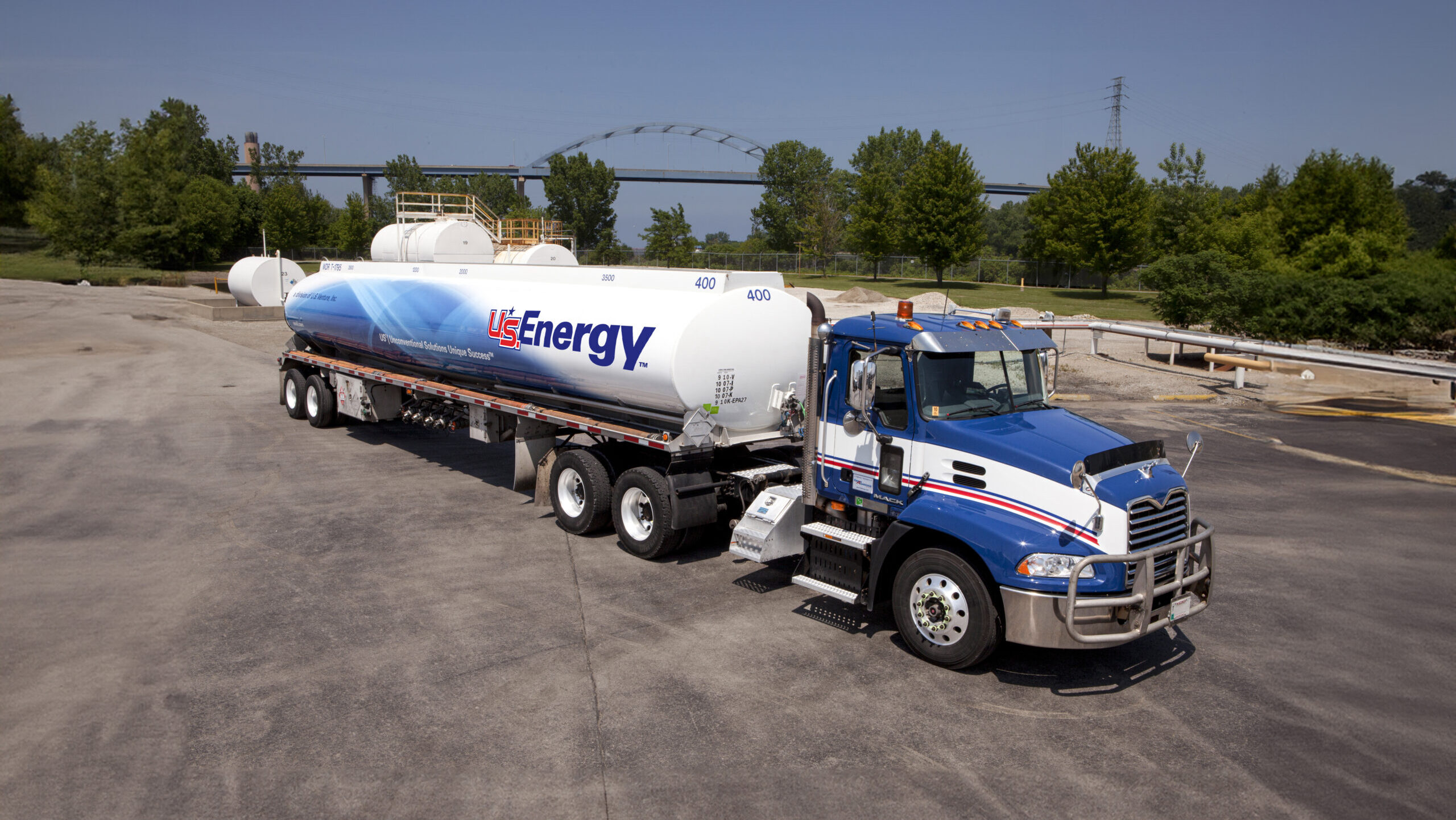
What Keeps Fuel Delivery Reliable?
Reliability depends on three essential drivers: quality assurance, logistics accuracy, and smart contingency plans. Suppliers invest heavily in maintenance teams, calibrated tanks, and route monitoring systems.
When combined, these elements strengthen business resilience and maintain consistent operations even under volatile market or climate conditions. That coherence between equipment, timing, and personnel supports uninterrupted power for every production interval.
Modern Innovations In Fuel Logistics
Today’s providers integrate intelligent data tools that track vehicle routes and consumption across multiple locations. Transparent systems generate reports, alerting managers before supplies run low or delivery thresholds break.
- Advanced fleet route optimization software
- Real-time fuel-level sensing technology
- Predictive data alerts for scheduling
- GIS-linked logistics coordination programs
- Automated dispatch rescheduling options
- Vendor-subcontractor communication dashboards
Each advancement simplifies communication between fuel providers and operational managers, helping industries learn more about technological applications that make every supply efficient. With these innovations, manufacturers can predict their next requirement with remarkable precision.
How Do Businesses Stay Confident?
Companies maintain confidence by partnering only with suppliers that uphold measurable consistency. Maintenance checks, verified uptime histories, and flexible scheduling build the assurance of availability.
Reliable networks create transparency, earning trust through actions rather than promises. That sense of cooperation ensures ongoing productivity and stable industrial relationships across long-term contracts.
Operational Strength Built On Reliability
Every mature operation depends on structured mechanisms that keep production consistent. Industrial fuel reliability secures continuity, reinforces profitability, and supports teams through every operational cycle. Businesses investing in secure supply practices ultimately ensure growth that never wavers or slows.